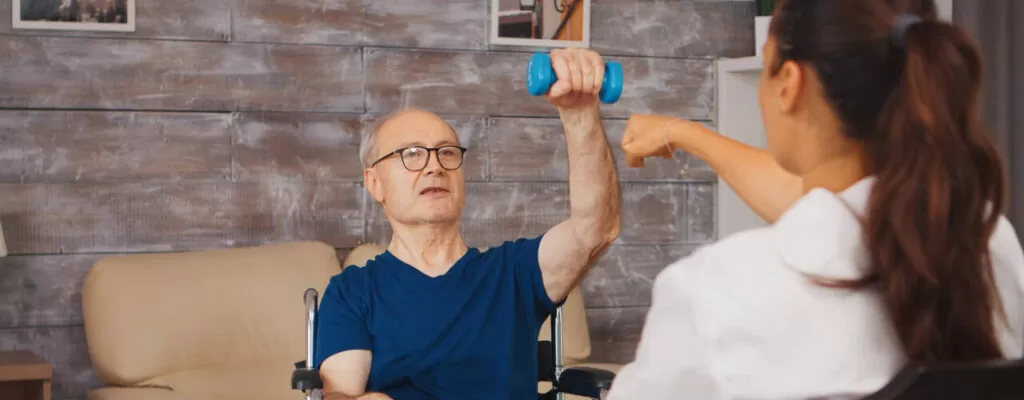
Recovering from surgery can be daunting for older adults, particularly when it comes to managing pain in elderly post-op scenarios. Many seniors and their families face confusion about how best to address post-surgical discomfort, often encountering myths and misinformation. This misunderstanding can prolong recovery, increase discomfort, and delay a return to daily routines. To clarify these concerns, we’re addressing common myths and providing clear facts, helping you better manage pain and speed your recovery through physical therapy.
7 Common Myths on Managing Pain in Older People
Myth: Pain is Just Part of Aging After Surgery
Fact: While experiencing some pain after surgery is common, severe or persistent pain should not simply be accepted as a part of aging. Managing pain in elderly post-op patients involves targeted physical therapy strategies that alleviate pain effectively. Therapists at Sobe Rehab use personalized exercises, gentle manual therapy, and carefully managed activity to ease discomfort. Seniors should never settle for ongoing pain—appropriate intervention can significantly improve comfort and functionality.
Myth: Complete Rest is the Best Path to Recovery
Fact: Many believe that complete rest after surgery promotes healing. However, prolonged inactivity leads to muscle weakening, joint stiffness, and decreased proprioception (awareness of body position), which can prolong recovery and increase pain. Early mobilization and controlled activity under the guidance of a physical therapist help patients recover quicker, restoring muscle strength, joint mobility, and significantly reducing pain.
Myth: Pain Medication is the Only Reliable Method to Manage Post-Op Pain
Fact: Medication provides temporary pain relief but isn’t a sustainable long-term solution. Relying solely on medication can also introduce side effects such as dizziness, gastrointestinal discomfort, and increased fall risks. Physical therapy offers a comprehensive approach by directly addressing the cause of pain. Therapists at Sobe Rehab employ manual techniques, strengthening exercises, and mobility training that naturally relieve pain without the prolonged use of medication.
Myth: Complete Rest Ensures a Smooth Recovery
Fact: Resting too long after surgery is counterproductive. While the body needs rest immediately after an operation, excessive rest can cause additional complications. Managing pain in elderly post-op scenarios requires balancing rest with appropriate levels of movement. Your physical therapist provides specific guidance on safe, gentle exercises that maintain strength, flexibility, and joint function, significantly enhancing comfort and overall recovery outcomes.
Myth: In-Home Physical Therapy Isn’t as Effective as Clinic-Based Treatment
Fact: In-home physical therapy offers numerous advantages, especially for elderly post-operative patients. Receiving treatment in a familiar home environment enhances comfort, convenience, and emotional well-being. Therapists from Sobe Rehab tailor exercises and manual therapy techniques specifically to home settings, making sessions highly personalized and effective. This individualized approach often accelerates recovery, reduces pain, and improves patients’ confidence in managing their pain independently at home.
Myth: Ice Always Reduces Swelling Long After Surgery
Fact: Ice reduces pain immediately after surgery or after increased activity, specifically within the first 12-24 hours. However, contrary to popular belief, ice does not reduce swelling once this initial inflammation period passes. It’s a valuable tool for temporary pain relief but shouldn’t be viewed as a solution for persistent swelling. Instead, physical therapy uses gentle movement and controlled exercise to manage swelling effectively over time.
Myth: Elderly Patients Can’t Safely Handle Physical Therapy Exercises After Surgery
Fact: Physical therapy exercises for elderly patients are always carefully adjusted for safety, comfort, and effectiveness. Therapists never prescribe exercises beyond patients’ abilities. Instead, they design personalized, gentle strengthening and mobility routines, gradually building up the intensity according to each patient’s progress. These individualized plans ensure elderly patients safely manage pain and steadily regain strength and independence.
Trustworthy, Effective Pain Management at Sobe Rehab
At Sobe Rehab, managing pain in elderly post-op patients means providing reliable, compassionate, and evidence-based physical therapy care. Our therapists are highly skilled at creating customized in-home therapy plans specifically tailored to each patient’s unique needs and recovery goals. This personalized approach helps seniors regain strength, reduce pain, and confidently return to daily activities.
Pain management after surgery doesn’t have to be confusing or overwhelming. Trust the experienced therapists at Sobe Rehab to guide you every step of the way. We’re here to help you achieve lasting comfort and independence.
Contact Sobe Rehab today to learn how our caring team can support your recovery with proven, personalized physical therapy care.
Tags: mobility support, pain management, post-surgery recovery, senior pain relief