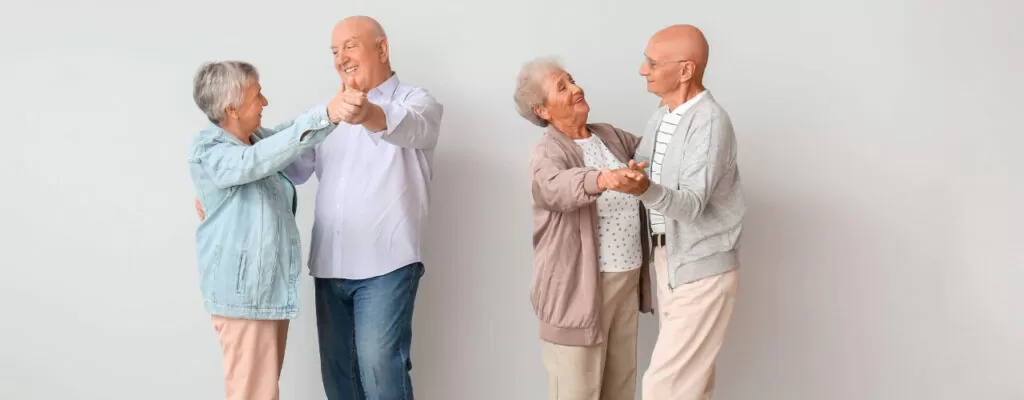
Maintaining stability and confidence in movement is essential for overall well-being, yet balance problems in the elderly are a common concern that can lead to falls, reduced mobility, and a loss of independence. These balance issues can arise from a variety of causes, including muscle weakness, vestibular disorders, neurological conditions, or medication side effects. Fortunately, in-home physical therapy with Sobe Rehab offers effective strategies to improve balance, enhance coordination, and reduce fall risks. Below is a practical checklist of steps to help seniors regain stability and move safely in their daily lives.
What Causes Balance Problems in the Elderly?
Several factors contribute to balance problems in the elderly, including:
Muscle Weakness
- Reduced lower body strength affects walking and standing stability.
Vestibular Disorders
- Inner ear dysfunction can cause dizziness, vertigo, and unsteady movement.
Neurological Conditions
- Parkinson’s disease, stroke, or neuropathy may impair coordination and balance.
Medication Side Effects
- Certain drugs can lead to dizziness, drowsiness, or low blood pressure.
Impaired Vision
- Decreased depth perception and poor lighting increase the risk of falls.
Recognizing the root cause of balance issues is the first step in finding the right solutions.
Checklist for Managing Balance Problems in the Elderly
1. Prioritize Regular Physical Therapy Sessions
- A structured therapy program improves balance, posture, and overall mobility.
- A physical therapist provides guided strategies to restore stability safely.
- In-home sessions allow seniors to practice movements in their natural environment.
2. Strengthen Muscles to Improve Stability
- Stronger muscles provide better support for standing and walking.
- Leg and core muscle engagement enhances coordination and posture.
- Consistent movement reduces stiffness and minimizes fall risks.
3. Adjust Your Home for Maximum Safety
- Remove tripping hazards like loose rugs or electrical cords.
- Improve lighting in hallways, staircases, and frequently used spaces.
- Ensure furniture layout allows for clear walking paths.
4. Use Assistive Devices When Needed
- Canes and walkers offer additional support for unsteady movement.
- Grab bars in bathrooms and near stairways enhance safety.
- A physical therapist can ensure proper device selection and adjustment.
5. Manage Dizziness and Vestibular Issues
- Stand up slowly to avoid sudden drops in blood pressure.
- Focus on steady movements when changing positions.
- A therapist can provide balance training to reduce dizziness-related instability.
6. Stay Active and Keep Moving Safely
- Prolonged inactivity leads to muscle weakness and increased balance issues.
- Gentle movement encourages circulation and coordination.
- Safe activity modifications help maintain strength without overexertion.
7. Monitor Medication Side Effects
- Some prescriptions cause dizziness or affect balance.
- Regular consultations with a healthcare provider can address concerns.
- Medication adjustments may reduce symptoms impacting mobility.
8. Stay Hydrated and Maintain Proper Nutrition
- Dehydration can lead to dizziness and fatigue.
- Nutrient-rich meals support muscle and bone health.
- A balanced diet enhances overall energy levels and coordination.
9. Be Mindful of Footwear Choices
- Supportive, non-slip shoes improve grip and stability.
- Avoid loose-fitting slippers or shoes with slick soles.
- Proper footwear reduces fall risks on smooth or uneven surfaces.
10. Communicate with Your Physical Therapist Regularly
- Share any new symptoms or changes in balance.
- Adjust therapy strategies based on progress and comfort levels.
- Ongoing guidance ensures continuous improvement in stability.
Balance Problems in the Elderly: How In-Home Physical Therapy Helps
In-home physical therapy is a proven, effective solution for balance problems in the elderly. Therapists provide one-on-one care, focusing on personalized strategies that enhance movement, coordination, and fall prevention. Working within a familiar environment allows seniors to practice skills in real-life scenarios, making it easier to regain independence safely.
Find Expert Support with Sobe Rehab
Balance problems in the elderly don’t have to limit daily life. At Sobe Rehab, our skilled physical therapists offer in-home care designed to improve stability, build confidence, and prevent falls. If you or a loved one is experiencing balance difficulties, contact Sobe Rehab today to learn how personalized therapy can support a safer, more active lifestyle.
Tags: elderly mobility support, home safety, fall prevention, balance training