

Sobe Rehab Sponsors High School to College Bridge Program
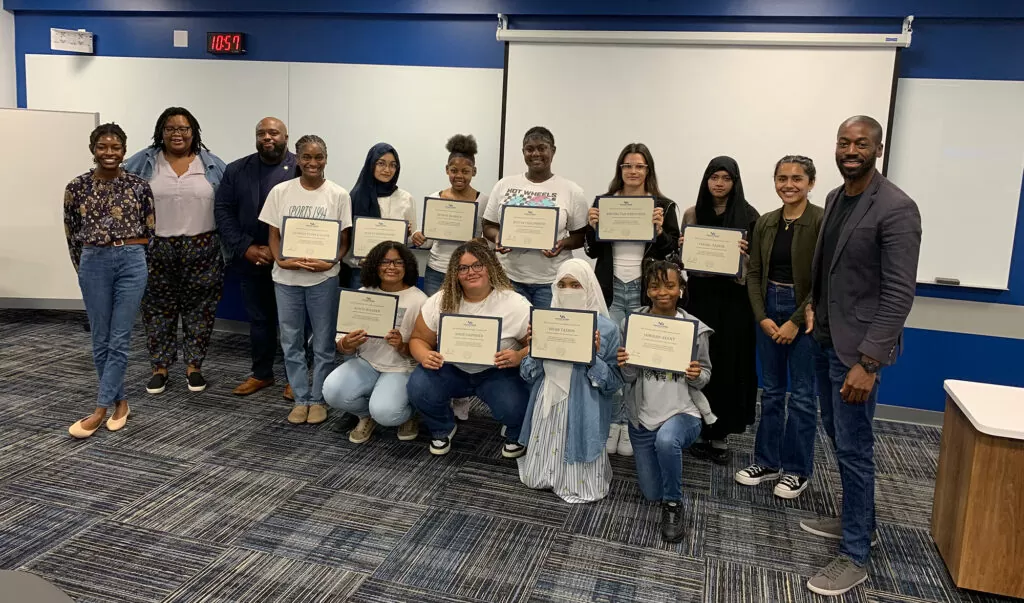
Sobe Rehab is the proud sponsor of the Blue Path program at the University at Buffalo. The Blue Path program is a pioneering educational initiative designed to bridge the gap between high school and college for students aspiring to enter the healthcare field. With Sobe Rehab’s support, the program is poised to further its mission of empowering students and shaping the future of healthcare.
Blue Path is more than just an educational program; it’s a comprehensive pathway that empowers students from diverse backgrounds to pursue careers in public health and healthcare professions. Through structured mentorship, academic support, and hands-on learning experiences, the program prepares high school students for the challenges of college education and sets them on a trajectory toward meaningful careers that make a difference in people’s lives. The students conclude the two-week summer program with a college credit and graduation.
The program focuses on providing students with the necessary academic foundation and emphasizes the importance of social responsibility, community engagement, and ethical practices in healthcare. Participants in Blue Path are encouraged to explore various aspects of the healthcare sector, from direct patient care to broader public health policies, equipping them with a well-rounded understanding of the field.
One of Blue Path’s standout features is its commitment to interdisciplinary collaboration. The program brings together educators, healthcare professionals, and students in a dynamic learning environment where ideas are exchanged and innovative solutions to healthcare challenges are developed. This approach not only enriches the students’ educational experience but also contributes to the advancement of healthcare practices.
Sobe Rehab’s pledged sponsorship of the Blue Path program underscores the importance of supporting educational initiatives that shape the future of society. As a leading provider of rehabilitation services, Sobe Rehab’s involvement highlights the shared commitment to advancing healthcare education and ensuring that the next generation of professionals is well-prepared to meet the evolving needs of an aging population.
Such partnerships are vital in ensuring that the Blue Path program can continue to offer high-quality educational opportunities to students, particularly those from underrepresented communities. By investing in the future of healthcare education, Blue Path aims to address the growing need for skilled professionals in an evolving healthcare landscape.
For students, Blue Path represents a unique opportunity to gain the knowledge, skills, and experience necessary to succeed in college and beyond. It opens doors to careers that are not only fulfilling but also crucial to society’s well-being. By fostering a new generation of well-prepared and motivated healthcare professionals, Blue Path is helping to build a healthier and more equitable future.
Visit the University at Buffalo’s Blue Path Program to learn more about the program and its impact. With support from Sobe Rehab, the program continues to make strides in healthcare education, shaping the future one student at a time.
“Give back, pay it forward, and society will get ahead”
Refer a Friend for a Chance to Win a Free Hour Massage
Healthy Recipe:
Slow-Cooker Jambalaya
Ingredients:
• 1 lb boneless, skinless chicken breast, cut into bite-size pieces
• 4 oz smoked turkey sausage, chopped
• 3 cups chopped fresh collard greens
• 1 ¼ cups chopped green bell pepper
• 2 stalks celery, thinly sliced (1 cup)
• ¾ cup chopped onion
• 1 (28 oz) can no-salt-added crushed tomatoes, undrained
• 1 tbsp quick-cooking tapioca
• 4 cloves garlic, minced
• 1 tsp dried thyme, crushed
• 1 tsp crushed red pepper
• 8 oz frozen peeled & deveined medium shrimp, thawed
• 2 cups hot cooked brown rice
• Chopped fresh parsley
Directions:
Combine chicken, sausage, collard greens, bell pepper, celery, and onion in a 3 1/2- or 4-quart slow cooker. Stir in tomatoes, tapioca, garlic, thyme, and crushed red pepper. Cover and cook on Low for 5 to 6 hours or on High for 2 1/2 to 3 hours. If using low setting, turn to High. Stir in shrimp. Cover and cook for 30 minutes more or until shrimp are opaque. Serve over hot cooked brown rice. Sprinkle with parsley.
Video Spotlight
We are excited to share our latest video in the August newsletter, highlighting Sobe Rehab’s comprehensive approach to senior care. In this video, you’ll hear from our leadership team, including Dr. Nkume Sube Jr., our founder and CEO, along with Marina Hakim, our VP of Operations, and Simmone Dunkley, our VP of Clinical Operations. They delve into our holistic and patient-centered therapy methods designed to maintain independence and improve the quality of life for seniors.
At Sobe Rehab, we go beyond traditional healthcare by being an active partner in your community, dedicated to helping seniors thrive. Watch the video to discover how we work collaboratively with communities to deliver personalized care that truly makes a difference.
Our Patients Get Great Results
“The physical therapist (Evelyn Hall) worked diligently as she guided my Mom back to standing and walking again. It was a pleasure to stand by and watch her work compassionately to restore my Mom’s health and self-confidence.
I thank GOD for the 5 ⭐️ star treatment Sobe Innovative Rehab provided to us. 💯👍🏽”
– Kareem A.

We Want to Hear Your Success Story!
Click the button below to tell your PT story and leave your review. We look forward to hearing from you!
Mission Statement:
Our mission is to deliver a stronger future for seniors in assisted living facilities. The Sobe Rehab 10-step proactive, comprehensive, PT/OT/ST therapy model restores senior independence and quality of life. In ALFs, this translates into improved length of stay and retention, on average 4 years for our patients. This enhances their freedom and happiness while increasing the ALF census exponentially. As the saying goes, “It’s not the days in your life, but the life in your days.”
Understanding Fall Risks
As we go through life, staying safe is a top priority, especially as we get older. It’s crucial to recognize the signs of potential fall risks so we can take steps to protect ourselves.
Here are the five most common signs that someone may be at risk of falling:
- Previous Falls: One of the most telling signs is a history of falls. If someone has fallen before, it’s a clear signal that they might fall again. But falls can happen unexpectedly to anyone, so we must stay aware.
- Balance Matters: Another common indicator is trouble with balance. Feeling unsteady or wobbly while walking or standing still can signal an increased risk of falling.
- Walking Aids: Using walking aids, like canes or walkers, is another sign to watch for. While these tools help many people, relying on them can indicate a higher risk of falling, especially if they’re used all the time.
- Medication Complexity: Taking multiple medications, especially those with side effects like dizziness or balance problems, can increase the chances of falling.
- Home Hazards: Living in a cluttered environment, having poor lighting, or encountering obstacles on the floor can significantly increase the likelihood of tripping or falling.
Recognizing these signs is the first step toward preventing falls. Seeking the guidance of one of our skilled physical therapists can provide invaluable support. We are experts in evaluating these risk factors and creating personalized plans to improve strength, balance, and overall safety.
So, if you or a loved one notices any of these signs, don’t hesitate to call Sobe Rehab today!