


Preventing Falls, Protecting Independence
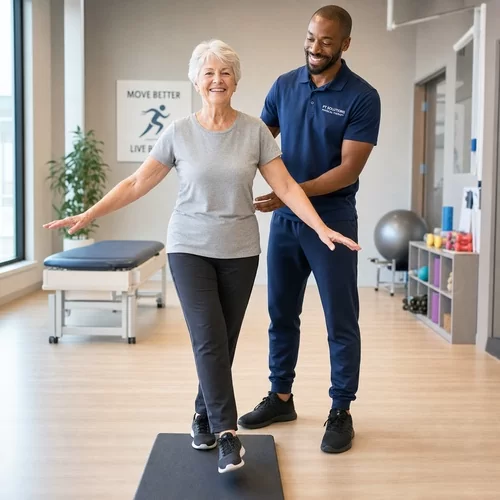
Why Fall Prevention Matters for People with Osteoporosis
With the exception of extreme cases, osteoporosis doesn’t typically cause symptoms—but it can make falls much more severe. A fall that might cause bruising in a healthy adult can lead to significant injuries in someone with fragile bones. This then increases the risk of hospitalization and reduces independence.
That said, fall risk itself is linked to several factors, not just bone density. A good fall prevention program addresses these risk factors before injuries can happen at all. Factors include:
- Muscle weakness
- Poor balance
- Vision or cognitive changes
- Unsafe walking patterns
- Medication side effects
Our team works closely with patients to address any applicable risk factors, helping ensure good long-term outcomes.
A Closer Look at how Sobe Rehab Reduces Fall Risk
Physical Therapy: Strength, Balance, and Fall Prevention
Physical therapy focuses on improving the body’s ability to move safely and efficiently. Our therapists evaluate strength, walking mechanics, balance, and more to create an individualized care plan that might include:
Resistance training
to improve muscle support around vulnerable joints (and help improve bone density)
Balance training
to enhance coordination and reduce instability during walking and standing.
Gait training
to address impaired walking patterns and improve step length, posture, and safety.
Functional movement training
that allows residents to practice real-life tasks, such as transfers and walking
Fall recovery strategies
to help residents know how to respond after a loss of balance

Occupational Therapy: Safe, Independent Daily Living
Occupational therapy helps residents complete daily activities with less strain and lower risk of injury. In particular, we can help identify barriers that may increase fall risk during everyday routines. Additional treatment techniques might include:
Bathroom and dressing safety training
to reduce slipping and overreaching during personal care tasks
Environmental assessments that
identify tripping hazards such as clutter, poor lighting, or unsafe furniture placement
Adaptive equipment recommendations
such as grab bars, reachers, or shower chairs, that can improve safety and accessibility
Energy conservation strategies
to help residents avoid fatigue that can contribute to falls.
Occupational Therapy: Safe, Independent Daily Living
Occupational therapy builds on the foundation established by physical therapy, helping residents continue daily activities safely, even with reduced bone density. It promotes dignity among residents while reducing caregiver burden.
Focus areas include:
ADL (activities of daily living) training
to promote dressing, bathing, and grooming techniques that reduce strain and fall risk
Energy conservation strategies
to help residents complete tasks without fatigue, lowering injury risk
Recommendations for safer room setups
such as safer seating or furniture arrangements
Training in adaptive equipment
to improve safety and independence during routine tasks
Speech Therapy: Cognitive and Swallowing Support
While speech therapy is often associated with communication and swallowing care, it can also play an important role in fall prevention. Our speech therapists work with residents to address cognitive changes that can affect judgment, safety awareness, and attention during movement. Treatment might include:
- Memory and attention training to support safer decision-making during mobility tasks.
- Problem-solving strategies to help residents recognize environmental hazards and follow safety recommendations.
- Dual-task training to improve the ability to walk while carrying on a conversation or completing another activity.
- Swallowing therapy to support safe nutrition and hydration, which are important for maintaining the strength necessary to lower fall risk.
Supporting Assisted Living Communities Through On-Site Care
Sobe Rehab provides our multidisciplinary therapy services directly within assisted living communities, which improves consistency and participation.
Residents benefit from working on fall prevention in a familiar environment, which reduces transportation barriers and increases access to therapy services. And when residents reduce their fall risk, they also enhance their confidence, quality of life, and overall engagement with the community.
Help Your Residents Stay Safe, Active, and Independent
It’s important to remember that falls are not an inevitable part of aging. With the right support, many risks can be reduced before injuries occur–which is essential for all older adults, even those who aren’t living with osteoporosis.
Through targeted, evidence-based care, the Sobe Rehab therapists can help residents move safely, maintain function, and stay engaged in the activities that matter most, right where they live.
Contact us today to learn more about our services.
Refer a Friend for a Chance to Win a Free Hour Massage

Simple Ways to Stay Steady and Active
Staying active is one of the most effective ways to reduce fall risk and maintain independence in assisted living. Even better: small, consistent habits can improve balance, strength, and confidence with movement.
One way the physical, occupational, and speech therapists at Sobe Rehab help patients is by providing simple, personalized strategies to become more active. Today, we’re sharing some of our favorite tips to pass along to residents.
First Things First: Staying Safe as You Stay Active
- Wear supportive footwear. Shoes with non-slip soles reduce the chance of slipping and falling.
- Remove clutter and ensure adequate lighting in living spaces to minimize trip hazards.
- Ensure you’re using assistive devices, such as walkers or canes, correctly. Our physical therapists can provide guidance as needed.
Next, Work on Building Strength and Mobility
- Sit-to-stand exercises, which involve repeatedly standing up from a chair, help build leg strength and support safer transfers.
- Spend a few minutes each day working on balance. Try standing with feet together or shifting weight side to side while holding a stable surface.
- Practice good postural awareness. Maintaining proper posture reduces strain and helps maintain your center of gravity.
Add More Movement Throughout Your Day
- Fold laundry or organize personal items while standing to build endurance.
- Short, supervised walks improve circulation, endurance, and coordination. Try walking to meals and activities or to visit a neighbor.
- Look at daily activities, such as brushing teeth, getting dressed, and light cleaning, as opportunities for movement.
- Join group activities that involve movement to improve consistency and motivation.
Confidence Starts with Consistent Movement
Building strength and balance supports safer, more confident movement. Sobe Rehab provides personalized balance and fall prevention programs on-site. Contact us today to learn more.
Our Patients Get Great Results
“SOBE Rehab offers top-tier care and service. I 100% recommend them for any of your physical, occupational, or speech therapy needs. Their therapists are compassionate and supportive. Special thank you to English for always going above and beyond to assist. She is absolutely wonderful and makes the process a breeze!”
– Mari

We Want to Hear Your Success Story!
Click the button below to tell your PT story and leave your review. We look forward to hearing from you!

Exercise of the Month
HIP SLIDES
Start in a tall kneeling position with both knees on the floor and your hands resting on your hips. Shift your hips slowly to one side as if you’re trying to reach your hip toward your heel, then return to center. Repeat on the other side, moving in a smooth, controlled motion.
3 Sets, 10 Reps (each side). (Materials needed: floor mat)